Detaljno istraživanje tehnologija, izazova i naprednog inženjerstva u preciznoj proizvodnji limova.
Proizvodi od preciznih limovaSvuda su — strukturni okviri u zrakoplovnim sklopovima, robusna kućišta za obrambenu elektroniku i složena kućišta u industrijskim strojevima. U najboljem slučaju, ove komponente spajaju stroge tolerancije, inženjersku čvrstoću i ponovljivu kvalitetu u sustave koji pouzdano rade u zahtjevnim uvjetima.
Precizni limarski proizvodi sastoje se od komponenti izvedenih iz ravnih metalnih limova koji su izrezani, oblikovani, spojeni i obrađeni prema preciznim specifikacijama. Za razliku od općeg limarskog rada (koji se može fokusirati na ventilacijske kanale ili osnovna kućišta), precizni dijelovi su dizajnirani za visoke performanse i ponovljivost, često s tolerancijama u tisućinkama inča i završnim obradama optimiziranim za krajnje primjene u zrakoplovstvu, obrani, medicinskim uređajima i industrijskim sustavima.
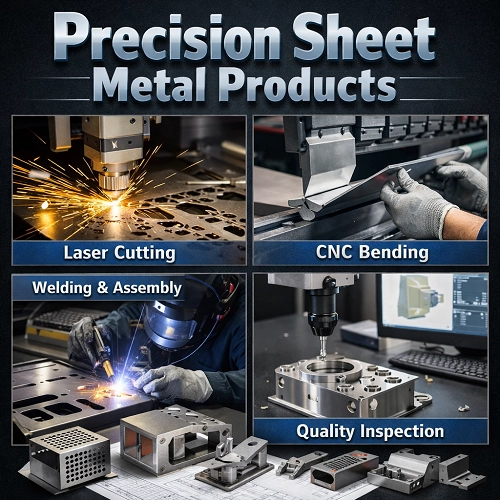
Precizna proizvodnja započinje preciznim odvajanjem materijala:
Prešne kočnice i drugi alati za oblikovanje oblikuju ravnu ploču u funkcionalne trodimenzionalne dijelove. Precizna kontrola kutova savijanja, radijusa i dodataka je ključna—pogreške mogu dovesti do neusklađenosti koje se nakupljaju u sklopovima. Simulacijski alati i standardi savijanja pomažu ublažiti izazove poput povratnog opruga i trošenja alata.
Složeni sklopovi zahtijevaju stručne tehnike spajanja:
Visokoprecizna CNC obrada nadopunjuje metalnu obradu, osobito za značajke koje zahtijevaju točnu geometriju površine, promjere cijevi ili završnu obradu. Kombiniranje limova s obradom pod jednim krovom ubrzava proizvodnju i nudi bolju geometrijsku kontrolu.
Nakon strukturne izrade, komponente mogu proći površinske obrade kao što su:
Ovi procesi povećavaju otpornost na koroziju, estetiku i performanse u zahtjevnim uvjetima.
Precizni proizvođači rade s širokim spektrom metala:
Svaki materijal donosi jedinstvene karakteristike oblikovanja. Na primjer, tvrđe legure mogu biti teže saviti čisto bez pucanja, a varijacije u debljini mogu utjecati na dopuštenja savijanja.
Visoka preciznost znači vrlo uske tolerancije. Za neke primjene, dimenzionalne tolerancije specificiraju se u tisućinkama inča. Ta ograničenja zahtijevaju rigoroznu kontrolu procesa, uključujući CNC programiranje, kalibraciju alata i pažljive metrološke provjere pomoću CMM-ova i drugih naprednih alata za inspekciju.
Napredne komponente mogu imati više savijanja, izreza i sučelja. Inženjeri moraju uskladiti funkcionalni dizajn s proizvodivošću:
Precizna izrada uvelike se oslanja na integraciju CAD/CAM-a. Precizno modeliranje, razvijanje dijelova od lima i generiranje putanja alata izravno iz digitalnog modela poboljšavaju učinkovitost i smanjuju pogreške. Nedosljedni ili dvosmisleni crteži mogu proširiti skupe pogreške dalje.
U industrijama gdje kvar nije opcija, sustavi kvalitete su temelj:
Tehnologije inspekcije poput koordinatnih mjernih strojeva (CMM), optičkih komparatora i penetracijskog ispitivanja koriste se za potvrdu da svaki dio zadovoljava specifikacije u svakoj fazi proizvodnje.
Unatoč naprednoj tehnologiji, obrada limova suočava se s trajnim izazovima:
Novi trendovi guraju precizni limar izvan tradicionalnih granica:
Precizni limarski proizvodi predstavljaju sjecište inženjerstva, automatizacije i zanatstva. Izrada komponenti koje zadovoljavaju precizne specifikacije zahtijeva napredne tehnologije, duboko znanje o materijalima, rigorozne sustave kvalitete i predanost rješavanju složenih tehničkih izazova. Bilo da se radi o zrakoplovnoj letnoj opremi, obrambenoj elektronici ili preciznoj industrijskoj opremi, ova disciplina se nastavlja razvijati, potaknuta inovacijama i potrebom za sve većom performansom i pouzdanošću.